What Does Caviar Taste Like? Texture & Saltiness Explained

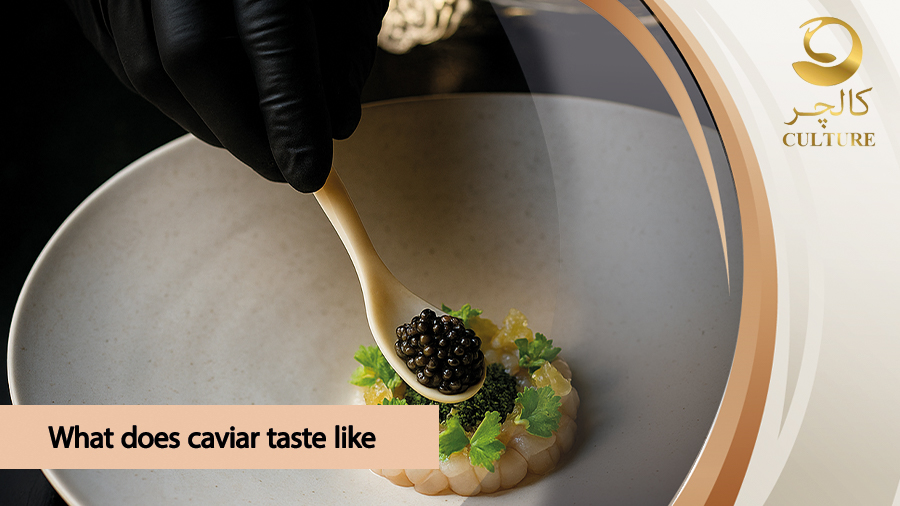
If you have never tried it before, you are likely wondering: what does caviar actually taste like? To give you a direct answer, good quality caviar tastes like a delicate blend of the ocean’s freshness and a rich, buttery creaminess. It has a mild, pleasant saltiness, but it should never taste overwhelmingly fishy. The texture is just as important as the flavour. High-quality caviar features firm, distinct globes that roll smoothly on the roof of your mouth. When you bite down, the eggs should gently pop, releasing a smooth and nutty flavour, rather than feeling mushy. In this guide, we will explore exactly what gives this luxury food its special taste, how to understand its texture and saltiness, and what you can expect from the world’s most famous varieties.
The Perfect Balance: Texture and Saltiness
Describing the taste of caviar is a bit like describing a fine wine; it is a unique and personal experience. However, two things always stand out in premium caviar: the texture and the saltiness.
Why Does Caviar Taste Salty?
Yes, caviar does have a salty taste, but it is a very mild and balanced saltiness. Fresh caviar is treated with a small amount of salt to help preserve it. This traditional method enhances the natural flavours of the sturgeon roe without overpowering it. It tastes like a gentle hint of sea salt mixed with rich butter. If the caviar you are eating tastes highly salty or bitter, it might be of lower quality. In the best caviar, the salt simply acts as a bridge to bring out the nutty, earthy, and creamy notes of the fish eggs.
The Importance of Texture
Texture is a huge part of the caviar experience. Good quality caviar will twinkle like diamonds when you open the tin, and each egg will look sparkly, not oily or murky. The eggs should easily separate from one another. When you eat it, the outer shell of the egg provides a very slight resistance before popping. This “pop” is what releases the juicy, rich flavours inside. If the eggs are sticky, mushy, or completely melt without any shape, the texture is not quite right.

The Taste of Different Caviar Varieties
Not all caviar tastes the same. There are different species of sturgeon, and each one produces roe with a unique flavour profile, size, and colour. Here is a look at the most famous varieties and what you can expect when you taste them.
Almas Caviar
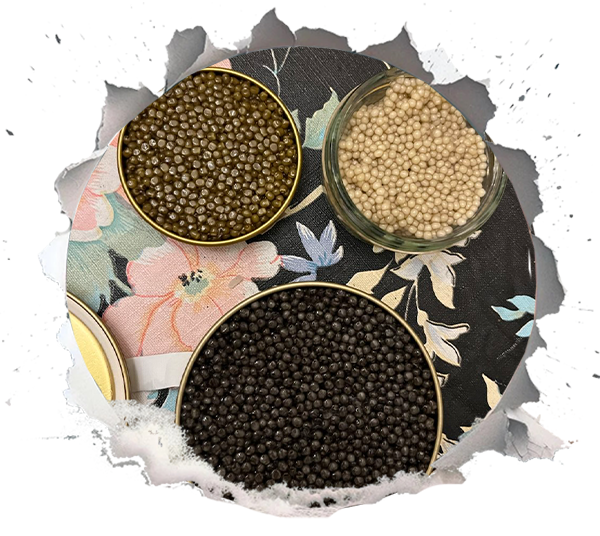
Almas is the rarest and most exclusive caviar in the world. Sourced from the Caspian Sea, it is famous for its exquisite white and albino colour. The taste of Almas Caviar is highly sought after because of its attractive aroma and incredibly creamy taste. Because of its extreme rarity and luxury status, the price range for this delicacy sits between 250.00 € and 3,800.00 €. It is a true centrepiece for any luxury dining experience.
Beluga Caviar
Beluga Caviar is the most popular and well-known caviar variety in the world. It is loved for its highly creamy taste and the large size of its roe. The colour of Beluga eggs ranges from light grey to dark grey. When you taste it, you will notice a smooth, buttery richness that coats the mouth perfectly. It is a very mild caviar with almost no fishiness, making it a favourite among connoisseurs.
Ossetra Caviar
If you are looking for a slightly more complex flavour, Ossetra Caviar (sometimes spelt Osetra) is a brilliant choice. It is famous for its nutty and earthy flavours, often compared to the taste of walnuts. The eggs are medium-sized and usually have a beautiful golden or light brown colour. The taste is very balanced, making it highly popular across Europe for both beginners and experts alike.
Hybrid Caviar
Hybrid Caviar is created by combining two different sturgeon species to get the best traits of both. This results in a caviar that offers a very consistent, premium quality. The taste is often a wonderful middle ground: it has the rich creaminess of a Beluga combined with the slightly earthy, nutty hints of an Ossetra. It is a fantastic, modern choice that delivers amazing quality and a sophisticated taste every single time.
Beluga vs Ossetra vs Sevruga: A Quick Comparison
When choosing caviar, people often compare the three most traditional types. Here is a simple breakdown to help you decide:
- Sevruga: The strongest ocean flavour. It has smaller eggs and a more distinct, briny taste that is deeply traditional.
- Beluga: The creamiest and mildest. It has the largest eggs (light to dark grey). Perfect if you want a buttery, smooth experience.
- Ossetra: The nuttiest and most complex. Medium-sized eggs (often golden). Ideal if you enjoy earthy, rich flavours.
The Heritage of Persian Caviar
The history of caviar is deeply connected to its origins. Iranians were the first people in history to harvest and consume caviar. This incredible heritage gives Persian caviar an unmatched understanding and legacy in the world of luxury foods. For decades, the Caspian Sea was the heart of the caviar trade, providing exquisite delicacies for royal tables across Europe.
Today, the meaning of luxury food is changing across Europe. Consumers want authenticity and history. At Culture Caviar, we bring nearly 40 years of expertise to the caviar trade, combining a proud Iranian legacy with modern innovation. Our Caspian Sea caviar masters work carefully to select the absolute best products for our clients, ensuring that the ancient tradition of Persian caviar lives on in every tin
Why Does Caviar Taste Different from Tin to Tin?
Even within the same variety, the taste of caviar can change. This is because caviar is a highly natural product. Several key factors affect the final flavour:
- Water Quality: Water quality is the most important factor in aquaculture. Fish need optimal water conditions to grow and survive. If the water has biological, chemical, or physical pollution, it will ruin the taste of the fish meat and the caviar. At Culture Caviar, we use high-quality water that is free from pollution so our sturgeons enjoy a clean living space. We even use a drum filter to remove solid particles, treat the water with ozone, and use intense aeration to recycle it safely.
- Farming and Diet: Our farming techniques include carefully designed diets for the fish. What the sturgeon eats directly changes the buttery and nutty notes in the final roe.
- Processing and Hygiene: The way the caviar is handled matters immensely. Our beloved processing rooms are strictly cleaned and disinfected. We use precise equipment that is frequently calibrated. This ensures no chemical or microbiological contamination touches the roe, keeping the taste pure and fresh. Furthermore, the temperature of our storage is frequently monitored to keep the eggs in perfect condition.
Farmed Caviar vs Wild Caviar
In the past, all caviar was wild-caught. However, to protect the sturgeon species from overfishing, the global market shifted to farmed (or aquacultured) caviar. Today, high-quality farmed caviar is the standard across Europe. Because farmed sturgeon live in highly controlled environments with excellent water quality and specific diets, their caviar often tastes cleaner and more consistent than wild caviar. Wild caviar can sometimes taste too strong or unpredictable depending on what the fish ate in the ocean. Farmed caviar gives you that perfect, mild, and creamy taste every time while protecting nature. Furthermore, our caviar undergoes thorough heavy-metal and microbiological testing, guaranteeing it is completely safe and free from contaminants.
How to Spot Bad Caviar
If you are new to this delicacy, it is important to know what caviar should not taste like. Bad or spoiled caviar will have a very strong, unpleasant fishy smell. The texture will be mushy or slimy. When you taste it, it might be overly salty, sour, or metallic. High-quality caviar should always leave a clean, fresh taste in your mouth. If it tastes heavily of cheap fish oil, it is either not fresh or it is a low-quality imitation.
Ready to Taste It Yourself?
Reading about the taste of caviar is wonderful, but experiencing it yourself is even better. We invite you to browse our collection of more than 8 varieties of caviar, carefully selected by our experts. We strive to provide caviar with large, glossy grains that truly reflect its luxury status. If you are ready to surprise your taste buds, we make it very easy to buy caviar online. We offer a special delivery service: customers residing outside of Berlin will receive their orders via DHL or UPS in the fastest possible time, with delivery guaranteed within 48 hours across the European Union. For our local customers in Berlin, if you order before 2:00 PM (Monday to Friday), we offer a special 2-hour doorstep delivery. Taste the history, enjoy the luxury, and discover why caviar is Europe’s most desired delicacy.